

Imagine this: a high-roller just dropped $50k on your live dealer table… and boom, one-second lag. He rage-quits, takes his buddies, and you lose a VIP forever. That tiny delay isn’t just annoying — it’s thousands in lost revenue every single night.
A white-label casino is the smartest shortcut for beginners. The provider already hosts the games, licenses, RNG, and payment processing.
You just slap on your logo, marketing, and player support.
But here’s the part most new operators miss: you still control (or must specify) the infrastructure underneath.
Get that wrong and your “easy launch” turns into a nightmare.
The goal? Build something that laughs at 50,000+ concurrent users during big soccer finals or progressive jackpot drops. No crashes, no lag, no regulatory headaches.
In this massive beginner-friendly guide I’m laying out the exact server requirements, scalability tricks, and real-world fixes I’ve used for 10+ years helping operators go from 100 players to 500,000.
Whether you’re a total newbie dreaming of your first site or scaling your second brand, you’ll walk away with a complete blueprint.
Let’s make sure your white-label casino runs smoother than the big boys.
Core Infrastructure: The 3-Tier Casino Architecture
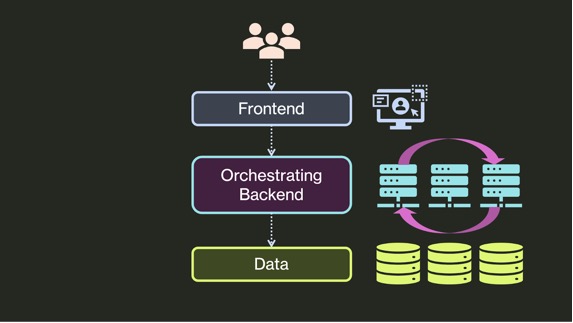
Think of your casino like a fancy restaurant. The frontend is the beautiful dining room customers see. The logic layer is the kitchen where the real work happens. The database is the secure vault holding every penny.
The Frontend Layer uses Global CDNs so players in Brazil or Thailand get 100ms load times. No more “site slow in my country” complaints. Cloudflare or Fastly caches your lobby, slots thumbnails, and live dealer streams worldwide.
The Logic Layer (your brain) runs the Player Account Management (PAM) system and the all-important RNG certification. This is where bets get validated, bonuses calculated, and game sessions managed. Keep this layer super responsive or players feel every delay.
The Database Layer is your unbreakable ledger. Every bet, win, deposit, and withdrawal must be recorded with transactional integrity, ACID compliance, no exceptions. One corrupted record and regulators will shut you down fast.
This three-tier setup is the foundation every successful white-label casino runs on. Get it right and scaling becomes almost boring.
Minimum Hardware Requirements
Let’s talk real numbers so you don’t overspend or underspend.
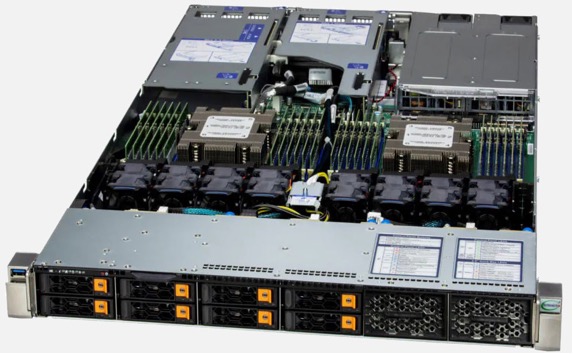
Dedicated bare metal servers win for your core database and RNG because you need predictable performance. Cloud is perfect for the frontend because it auto-scales during peaks.
Mix both and you get the best of both worlds.
Here’s the exact benchmark table for 10,000 concurrent users (scale up from there):
| Component | Requirement for 10k Users |
| CPU | Dual Intel Xeon Platinum or AMD EPYC (32+ cores) |
| RAM | 128GB DDR5 ECC |
| Storage | NVMe SSD in RAID 10 |
| Network | 10 Gbps Uplink + Tier-1 peering |
Start with these specs and you’ll handle launch day smoothly. I’ve seen operators cheap out on RAM and regret it when 3,000 players hit the slots at once.
NVMe in RAID 10 is non-negotiable for the crazy I/O from logs and real-time reporting. Regular SSDs or HDDs will choke.
Solving for Scalability: Handling “The Super Bowl Effect”
Vertical scaling (just buying a bigger server) works until it doesn’t. At some point you hit hardware limits and downtime becomes inevitable.
That’s why smart operators switch to microservices. Break everything into independent pieces: Slots service, Live Sports service, Wallet service, KYC service. One service crashes? The rest keep running. Beautiful isolation.
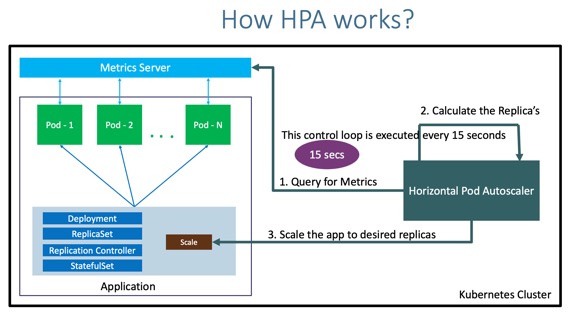
Kubernetes (K8s) is the magic for auto-scaling. Set up Horizontal Pod Autoscaler and new frontend instances spin up automatically when CPU hits 70% during a jackpot frenzy. I’ve watched it save entire nights of revenue.
Horizontal scaling plus microservices is how the big white-label casinos survive 100k+ player spikes without breaking a sweat.
Latency & The User Experience: Why 100ms is the Magic Number
Players notice lag instantly. Anything over 100ms feels sluggish and they bounce to another site. That’s the harsh truth.
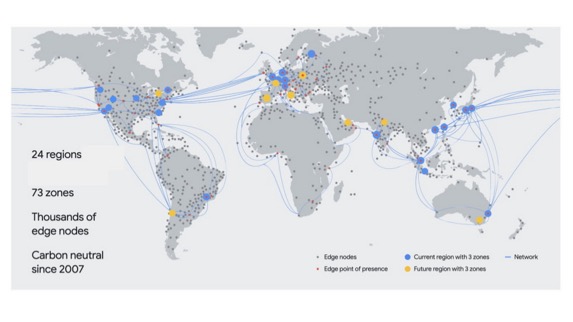
The “Distance Problem” is real a player in Manila hitting a server in Frankfurt feels every extra mile. Edge Computing fixes this by putting Points of Presence (PoPs) in key markets like LatAm, Southeast Asia, and Europe.
WebSocket connections replace old-school HTTP polling. Your live dealer games and sports betting updates push instantly instead of players constantly refreshing.
Get latency under 100ms worldwide and your retention graphs will thank you. It’s one of the easiest ways to stand out from the competition.
Regulatory & Legal Server Requirements
Some countries are strict about where data lives. Germany and certain US states demand servers physically inside their borders for player data.
Disaster Recovery is mandatory for 99.99% uptime. Set up Active-Active failover between two data centers.
One goes down? The other takes over seamlessly.
Every bet must be logged immutably for 5+ years. Use append-only databases or blockchain-style ledgers so auditors can verify everything in seconds.
These rules feel annoying at first, but doing them right from day one saves massive headaches (and fines) later.
Security: Hardening Your Casino Against Attacks
DDoS attacks love targeting the “Spin” button. Layer 7 attacks look like real players but flood your API. Proper mitigation stops them cold.
A Web Application Firewall (WAF) blocks SQL injections, bonus abuse bots, and all the nasty stuff. Combine it with rate limiting and you’re much safer.
PCI-DSS compliance for the wallet-to-processor pipeline is non-negotiable. Encrypt everything in transit and at rest. Never store card details yourself if you can avoid it.
I sleep better knowing my clients’ casinos have multiple security layers. One breach can end everything, don’t risk it.
Monitoring the Pulse: Critical KPIs for Your Ops Team
P95 latency tells you how the slowest 5% of players are experiencing your site. Fix those and churn drops dramatically.
Track Transactions Per Second (TPS), can your database handle 500 withdrawals at once during peak hours? Set alerts before it becomes a problem.
Error rates, especially “Balance Mismatch” errors, need immediate Grafana + Prometheus alerts. Catch them early and you avoid angry support tickets.

A good monitoring dashboard is like having eyes everywhere. Spend time on this and your ops team will love you.
Conclusion:
Start with a solid white-label provider but demand infrastructure sovereignty. You need to control scaling, latency, and data portability.
Always build with an exit strategy. Make sure your data is easy to export if you ever want to move to a full custom setup later. Portable data = real freedom.
You now have the complete playbook: exact hardware, 3-tier design, Kubernetes magic, edge computing, regulatory must-dos, and iron-clad security. Your white-label casino can go from zero to hero without the usual growing pains.
The future belongs to operators who treat infrastructure as seriously as their games. You’ve got the knowledge, now go build something players will never want to leave.
Drop your biggest worry in the comments, lag, scaling, or security? I’ll reply with tailored tweaks for your setup.