
VPNs have become part of everyday internet use. People use them to protect their privacy, secure public Wi-Fi connections, and generally feel more in control of how they show up online.
So, it’s no surprise that VPNs often come up in conversations about online gambling, too.
Yet, while VPNs are widely discussed, they’re also regularly misunderstood. Many users state that they make online gambling smoother and safer. On the other hand, some wonder if they actually create more problems than they solve.
To find the answer, we need to unpack what VPNs really do in this context, rather than relying on assumptions.
Why VPN Use Has Become Common Among Online Gambling Users
At a basic level, VPN interest comes down to privacy. Gambling platforms handle personal information, payment details, and transaction histories. As a result, it’s natural for users to think about protecting their data.
There’s also a broader shift in how people think about digital boundaries. Many users are more aware of tracking, location data, and account monitoring than they were a few years ago. VPNs are often seen as a simple way to add a layer of separation between yourself and the platforms you use.
In gambling spaces, that awareness sometimes turns into speculation. Players talk about restrictions, limits, or platform rules and start to wonder whether a VPN changes how sites treat their accounts. That curiosity fuels a lot of discussion, even if the conclusions aren’t always accurate.
Do VPNs Actually Improve the Online Gambling Experience?
In practice, VPNs don’t change much about how gambling platforms work. They encrypt your connection and reroute your traffic. This helps with privacy but doesn’t influence core systems like payments, verification, or account reviews.
In fact, VPNs can sometimes make things feel worse rather than better. Routing traffic through distant servers may introduce lag or instability, especially during live games. For users expecting a smoother experience, that can be disappointing.
It’s also worth separating privacy from payouts. VPNs don’t affect how quickly withdrawals are processed or approved. Those factors are determined by platform policies, payment methods, and verification status.
That’s why players who care about speed are often better off focusing on how platforms handle payouts, particularly when choosing a platform like an instant withdrawal casino. This is a more reasonable approach than focusing on connection tools that don’t touch financial workflows.
The Benefits of Using a VPN for Online Gambling
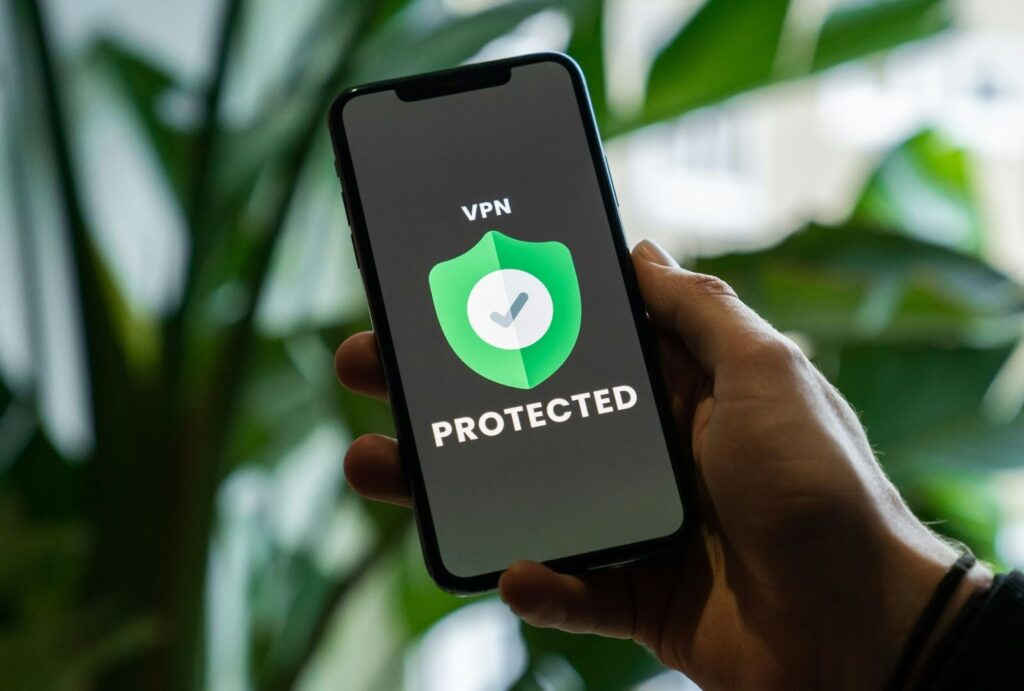
VPNs don’t change how gambling platforms work, but they can offer a few practical benefits tied to privacy and security. The main advantage is encrypted internet traffic, which helps protect account logins and personal data, particularly when using public or shared Wi-Fi networks.
When you consider that a new cyber attack is now reported around every six minutes, it’s easy to see why this is such a significant advantage.
For some users, VPNs also support a greater sense of digital privacy by reducing how closely online activity is linked to a physical location or IP address. This can feel reassuring when accessing accounts that involve payments or stored balances.
Another benefit is network security consistency. VPNs operate in the background and can provide the same level of protection regardless of where a user connects from. So, they’re a natural extension of broader online safety habits.
However, it should be noted that these benefits sit outside platform mechanics. VPNs don’t affect game outcomes, verification checks, or withdrawal processing. Still, they can complement a cautious approach to protecting account access.
The Limitations of VPNs on Gambling Platforms
Modern gambling platforms use layered security systems, and location data is only one piece of the puzzle. Platforms also look at account behaviour, transaction patterns, device consistency, and verification history.
When a VPN is involved, those systems may flag inconsistencies. Logging in from different locations, switching IP addresses frequently, or using servers associated with high traffic can trigger additional checks.
None of this means a VPN automatically causes issues, but it does explain why some users experience delays or extra verification steps.
This is where expectations often clash with reality. VPNs don’t override platform controls, and they don’t simplify compliance checks. Plus, they don’t remove the need for identity verification. If anything, they sometimes add friction in environments that prioritise consistency and risk management.
Modern identity systems now use multi-signal risk checks to identify when a connection is masked, often requiring even more stringent verification from the user to ensure compliance.
Top 3 VPNs For Online Gambling
When people talk about VPNs and online gambling, the same few names tend to come up again and again. That’s because these services frequently top most independent guides due to their reputations for reliability, security, and global coverage. These are the three we’d recommend:
- NordVPN
NordVPN is highly popular because of its huge server network and consistent performance. Its focus on security and stability means it’s trusted by users who want predictable connections without constant drop-offs. That’s why it’s also the best VPN for online sports betting, as well as online gambling.
- ExpressVPN
ExpressVPN has built a reputation around speed and ease of use. That combination appeals to users who don’t want to sacrifice connection quality while using privacy tools. ExpressVPN is a great option if you’re looking for smooth performance across different devices.
- Surfshark
Surfshark is a more affordable option with broad device support. Its unlimited connections model is probably its best feature, and it’s highly trusted by users who rely on VPNs across multiple platforms.
Wrapping Up
VPNs are useful tools for online privacy, but their role in online gambling is sometimes overstated. For most players, the best path comes from choosing platforms with clear rules, transparent payouts, and reliable payment systems.
In that context, VPNs are a secondary consideration rather than a solution to common gambling frustrations.