In today’s fast-paced academic world, multitasking is not just a necessity—it’s a way of life. Students are juggling assignments, group projects, and personal responsibilities while constantly hopping between devices and locations.
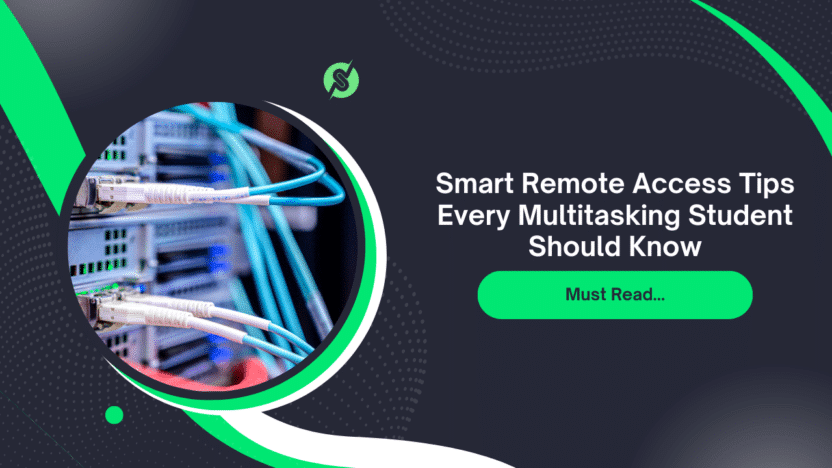
One key tool to manage all this chaos is remote access, which allows students to access their study materials, documents, and software from anywhere, at any time.
Here are some smart remote access tips that every multitasking student should know to enhance productivity and streamline their workflow.
Challenges Faced During Remote Learning
While remote learning offers unparalleled flexibility, it also presents a unique set of challenges that students must navigate. One of the biggest hurdles is staying motivated and focused without the structure of in-person classes.
The temptation to procrastinate is high when there are no immediate consequences for delaying tasks. Additionally, technical difficulties such as poor internet connections or software glitches can disrupt the learning process, causing frustration and delays.
Another challenge is managing the vast amount of online resources and assignments. Students often find it difficult to keep track of deadlines and assignments, especially when juggling multiple classes. This is where professional writing services available at https://edubirdie.com/do-my-homework can be a great option for remote learners. With the pressure of balancing coursework, many students turn to these services for assistance.
Whether it’s for essay writing, research projects, or simply meeting tight deadlines, professional services help lighten the load, allowing students to focus on other important aspects of their studies.
By seeking expert help, students can ensure that their academic performance doesn’t suffer while navigating the challenges of remote learning.
Choose the Right Remote Access Software
The first step in making the most of remote access is selecting the right software. Programs like Google Drive, Microsoft OneDrive, and Dropbox offer cloud storage solutions that let you access your files from any device. If you need to remotely control your home desktop or laptop, tools like TeamViewer or AnyDesk can be lifesavers. Choose a tool that suits your needs based on what you need to access—files, full desktop environments, or both.
Organize Your Files for Easy Access
Cloud storage and remote desktops are only effective if your files are well-organized. Create a structured folder system, grouping related study materials, projects, and assignments into easily identifiable folders.
Use clear naming conventions and tags to make searching for files faster. This way, you’ll be able to access everything quickly, even when you’re switching between devices.
Set Up Multi-Device Sync
Students often switch between devices—from laptops to smartphones to tablets. To ensure a seamless workflow, set up syncing across all your devices. For example, use Google Docs for assignments and notes so that changes you make on your laptop are automatically reflected on your phone. Similarly, syncing calendars and task management apps like Trello or Todoist ensures that you never miss deadlines or forget an important task.
Use Remote Access for Study Sessions
Remote access is perfect for group study sessions, especially when members are spread out geographically. Use video conferencing tools like Zoom or Google Meet in combination with screen sharing and file-sharing features to collaborate on projects. You can all access the same documents in real-time, share notes, and discuss ideas, regardless of your physical locations.
Ensure Security with Two-Factor Authentication
When accessing your study materials remotely, security is paramount. Protect your files and personal data by enabling two-factor authentication (2FA) on all your accounts.
This extra layer of security ensures that only you can access your files, even if someone else gets hold of your password. Many cloud storage providers and remote access software have built-in 2FA options—make sure to enable them for peace of mind.
Maximize Internet Speed for Smooth Access
Remote access can be frustrating if your internet connection is slow. To make your experience smoother, ensure you have a reliable internet connection, whether you’re working from a library, café, or your home.
If possible, connect to a stable Wi-Fi network, and avoid using mobile data for tasks that require heavy file uploads or downloads. A fast, consistent internet connection is essential for uninterrupted access to your remote study tools.
Stay Organized with Remote Desktop Management
If you’re using remote desktop software to access a home computer or virtual environment, you might find it overwhelming to manage multiple open apps. To streamline your experience, organize your virtual desktop by minimizing clutter and grouping similar programs together. Many remote desktop solutions allow you to switch between virtual desktops, so use this feature to keep your workflow organized and efficient.
Automate Tasks for Efficiency
Automating repetitive tasks can save you tons of time. Tools like Zapier and IFTTT allow you to create custom automations that link your apps and services. For example, you can automatically back up your study notes to cloud storage or have your calendar sync with your to-do list app. By automating these small tasks, you can focus more on your assignments and less on managing your tools.
By implementing these smart remote access tips, you’ll be able to handle the challenges of multitasking with ease. Whether you’re attending an online class, collaborating with classmates on a project, or simply keeping track of deadlines, remote access gives you the flexibility to work from anywhere. Embrace these tools and make your student life more efficient and organized.